Clear Words Behind Honest Health Research.
06 November, 2026· Article by Alex Reed


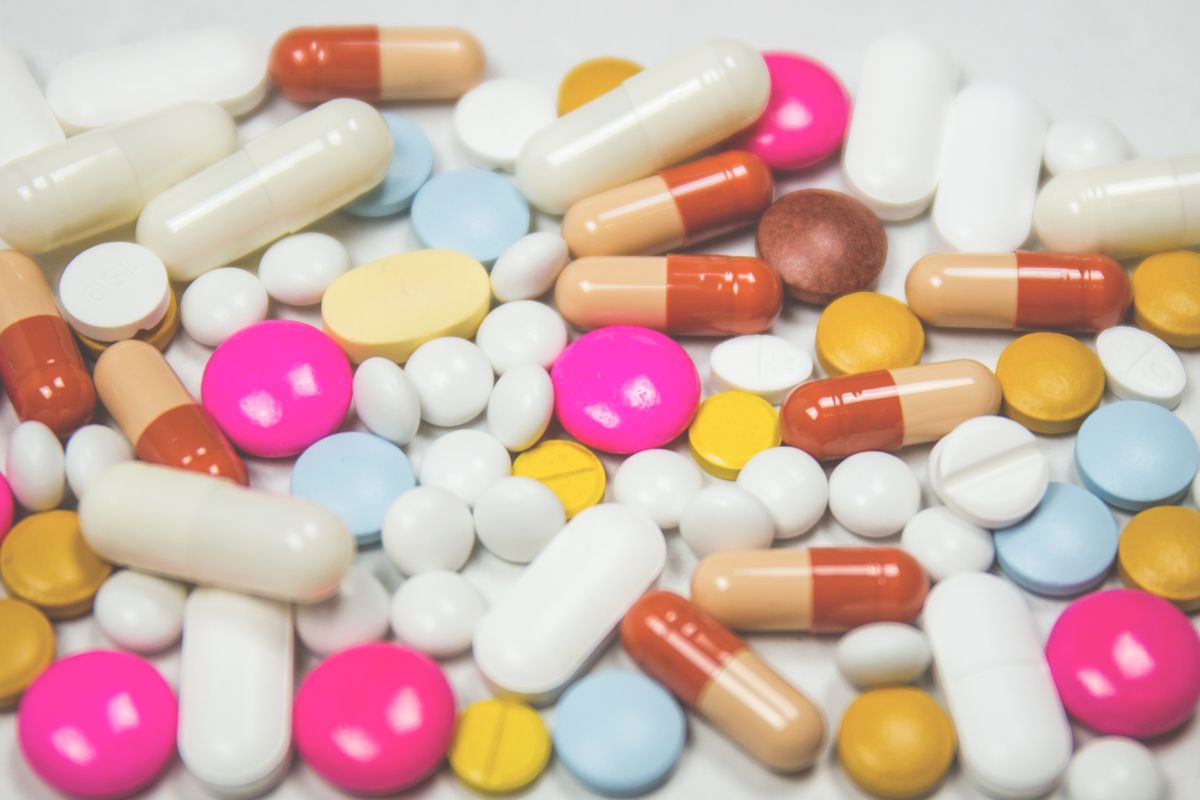
A clinic in Glasgow runs a trial on a new sleep aid and half of the volunteers take a sugar pill. The information sheet is in English and a rough machine copy for Polish and Romanian speakers. One volunteer reads that the pill may or may not contain the drug and thinks he has been given a dangerous mix. He leaves the study and tells his friends to stay away. The team loses a dozen people before the first review.
Health research depends on trust and trust depends on words. A person who joins a study must understand what will happen and what might go wrong. A placebo group only works when each person knows what a placebo is. A confusing sentence changes behaviour and behaviour changes results.
Polish and Romanian speakers are large groups in British and European health systems. They take part in screening and trials and surveys like everyone else. They deserve the same clear explanation that an English speaker receives on the first page.
Many research teams treat language as a last step. They finish the protocol and the ethics form and then ask someone to translate the leaflet. Small slips in a word like risk or side effect can shift how a person answers a question. The language plan must sit inside the study design from the first draft.
This article explains how health research teams and health writers can prepare clear study materials for Polish and Romanian speaking readers. It covers information sheets and consent forms and survey questions and where to find public guidance. It is written for small teams with small budgets.
Decide Which Study Texts Come First
List every text a volunteer reads or hears. Information sheets and consent forms and questionnaires come first. Reminder messages and results summaries follow. Before any text goes out a team can ask for proofreading services so that a native reviewer checks every translated page for tone and for exact meaning.
Create a short glossary before the first page is translated. Fix the words for placebo and side effect and dose and withdrawal. Add the names of any scales that must stay in their original form. Ask the translator to keep each term identical in every file. This step prevents the quiet drift that appears when several people translate over several months. Store the glossary where researchers and coordinators can both find it and review it whenever the protocol changes. Keep a record of each version so that a reviewer can see which wording each group received.
Polish and Romanian Need Local Care
Polish translation services for health texts must handle long compound words and a formal tone that patients expect from a doctor. A friendly English line may sound cold or careless in Polish if it is translated word for word. A good translator adapts the polite form and keeps the meaning of every warning. A pilot with five or six native speakers often shows a confusing sentence before the main study begins. Strong polish translation services also check that dates and decimals are written the Polish way so that no volunteer misreads a dose.
The Romanian language looks close to Italian and Spanish and that tempts teams to skip a review. Many medical words in the Romanian language come from Latin or French and they sound familiar yet can shift meaning. The Romanian language also has special letters that break in some online surveys and older systems. Ask for a screen test of every form and for a second reader who knows the field. A sheet in the Romanian language that shows every letter correctly lets a volunteer focus on the question and not on the screen. If you need polish translation services for a long questionnaire tell the agency early because large files need more than one translator.
Use Public Guidance
Check how trusted bodies explain health research. The NHS publishes plain language pages on treatments and on taking part in studies. Our guide on AI translation in healthcare explains where machine tools help and why a qualified human must review any text a patient will read.
For the quality of evidence Cochrane shares systematic reviews and learning material for the public. Keep the source and the date of every page you rely on so that you can update your materials when new findings appear. A short note in the file helps the next person who repeats the study. Print a copy because web pages can move without warning.
Build a Review Routine
Choose one person to speak with the translation team. Share the glossary and examples of past information sheets. Ask for a translation memory so that repeated warnings stay identical across studies. Send one sheet and one survey as a test and ask a native speaker to complete them as a volunteer would. Ask how the agency protects confidential health data and who can open your files. Ask for a clear quote with the price per word and the cost of urgent work.
The cost of a careful translation is small next to the cost of a study that loses its volunteers. Clear sheets keep people in the programme and make results easier to publish. Journals and ethics boards also look kindly on teams that show how each language version was prepared and checked. Many teams now include translation in each grant budget from the start and they save time on every later project.
A health study is only as honest as the words that invite people to join it.
Recent Posts

Parole Chiare per una Ricerca ...
Cuando las Palabras Cambian un...
The Placebo Effect: Why a Suga...

Comment la santé publique tra...

Wie aktuelle Gesundheitsforsch...
De la recherche en laboratoire...
Share it.

Links
We use cookies
We use cookies to give you the best online experience, remember your preferences, and understand how the site is used. You can accept all cookies, reject optional ones, or choose which categories to allow.
Privacy PolicyCookie preferences
Choose which cookies we can use. Necessary cookies stay on because the site cannot work without them.
For more details, read our Privacy Policy.